
Smart Lighting Automation: A Bright New Future in an era where technology continues to revolutionize the way we live, smart lighting automation stands out as one of the most transformative innovations in home and business environments. This cutting-edge technology, which seamlessly integrates advanced lighting systems with smart devices, is not just a luxury but a growing necessity. As more people seek to optimize their living spaces for energy efficiency, convenience, and security, smart lighting automation offers an elegant and practical solution. But what exactly does this technology entail, and why is it becoming so essential in modern life? Let’s delve into the exciting world of smart lighting automation and uncover its potential to shape the future of our homes and workplaces.
The Concept of Smart Lighting Automation
At its core, smart lighting automation involves the use of intelligent lighting systems that are controlled remotely or automatically via connected devices, sensors, and algorithms. These systems allow users to adjust lighting according to their preferences, without the need for manual switches or dimmers. Think of it as lighting that can think and react to your needs — whether it’s adjusting the brightness based on the time of day, switching on when you enter a room, or even changing colors to match the mood or ambiance.
The beauty of smart lighting automation lies in its ability to be fully integrated with other smart home or office systems, such as voice assistants, smart thermostats, or security cameras. This interconnectedness allows users to create personalized lighting scenarios that align perfectly with their daily routines. Imagine walking into your living room and having the lights automatically adjust to your preferred brightness level, while the room temperature is also set to your ideal comfort zone — all without lifting a finger.
The Advantages of Smart Lighting Automation
1. Energy Efficiency and Sustainability
In today’s world, where sustainability is no longer optional but essential, smart lighting automation proves to be a game-changer. By incorporating features like motion sensors and timers, these systems ensure that lights are only on when needed. For example, motion sensors can detect when a room is empty and automatically turn off the lights, minimizing unnecessary energy consumption. Moreover, some advanced systems can monitor your electricity usage and provide insights on how to optimize lighting for maximum energy savings.
When integrated with renewable energy sources, such as solar panels, smart lighting automation can further reduce energy dependency, making homes and businesses more sustainable. This kind of eco-conscious approach not only reduces your carbon footprint but also contributes to long-term cost savings on electricity bills.
2. Convenience and Comfort
The true power of smart lighting automation lies in the convenience it offers. Gone are the days of scrambling to find light switches in the dark or manually adjusting the brightness. With voice control, remote access via smartphone apps, and automatic adjustments, smart lighting automation makes life much simpler. Imagine being able to dim the lights for movie night just by saying a command to your voice assistant or using a single tap on your smartphone.
The ability to program lighting schedules is another notable benefit. Whether you want your lights to gradually brighten in the morning to simulate a natural sunrise or create a dim ambiance for relaxation in the evening, smart lighting automation allows for seamless customization. These systems adapt to your lifestyle, ensuring your environment is always perfectly illuminated, day or night.
3. Security and Safety
Another compelling reason to adopt smart lighting automation is its ability to enhance security. With features like motion detection, your lighting system can respond to intruders by illuminating areas that might otherwise remain dark. For example, if someone approaches your front door or garage, motion sensors can trigger the lights to turn on, potentially deterring criminal activity.
Additionally, smart lighting automation can simulate your presence when you’re away. By setting up random lighting schedules, you can give the illusion that someone is home, which can significantly reduce the risk of break-ins. Many systems also allow for remote access, meaning you can check and control your lights from anywhere in the world, providing peace of mind no matter where you are.
4. Customization and Mood Setting
Lighting has a profound impact on our emotions and well-being. The right lighting can set the mood, enhance productivity, and even improve sleep quality. With smart lighting automation, you have complete control over the lighting in every room, allowing you to tailor the ambiance to suit any occasion.
Want to create a cozy, intimate setting for dinner? Adjust the lights to a warm, soft glow. Need to focus on a work task? Bright, cool light can boost concentration and alertness. Whether it’s for a party, a relaxing evening, or a productive work session, smart lighting automation allows you to set the perfect tone with just a few taps or voice commands.
Key Features of Smart Lighting Automation Systems
1. Voice Control
Most smart lighting automation systems integrate seamlessly with voice assistants such as Amazon Alexa, Google Assistant, or Apple’s Siri. This means that you can control your lights with simple voice commands. Whether it’s turning the lights on or off, dimming them, or changing colors, voice control makes the process effortless and hands-free.
2. Motion and Presence Sensors
The inclusion of motion and presence sensors in smart lighting automation systems helps conserve energy and add an extra layer of convenience. Motion sensors detect movement in a room and trigger the lights to turn on or off accordingly. Presence sensors, on the other hand, can identify when someone is in the room and adjust the lighting settings to suit the activity.
3. Adaptive Lighting
Some advanced smart lighting automation systems come equipped with adaptive lighting features. These systems adjust the brightness and color temperature of your lights based on the time of day. For instance, they can gradually dim in the evening to help you wind down, or brighten in the morning to energize you for the day ahead. This feature is particularly beneficial in promoting a healthy circadian rhythm, as it mimics natural light patterns.
4. App Integration
Most modern smart lighting automation systems are connected to mobile apps, enabling users to control and monitor their lighting remotely. Whether you’re at work, on vacation, or simply lounging in another room, you can adjust the lights at any time. Many apps also allow for the creation of lighting schedules, integration with other smart home devices, and real-time energy usage monitoring.
5. Color Changing Capabilities
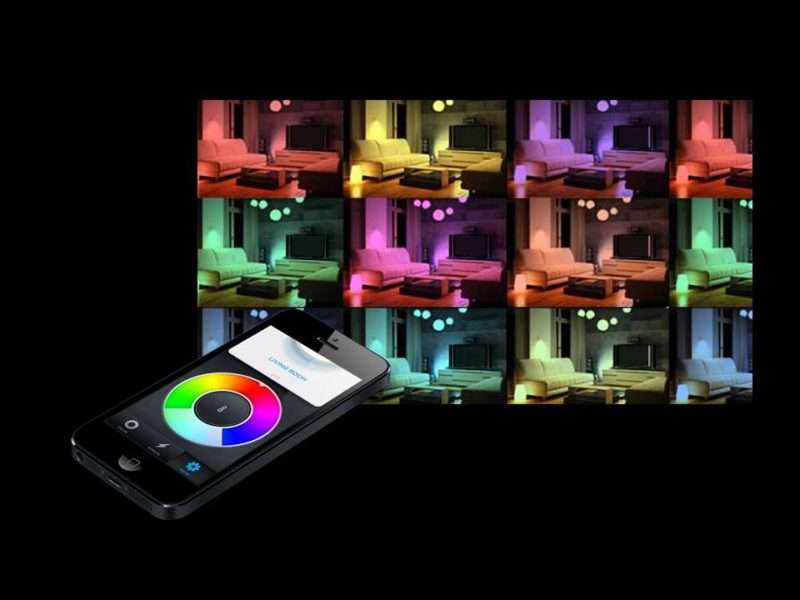
For those who enjoy personalized aesthetics, color-changing light bulbs are a hallmark of smart lighting automation. Whether it’s a vibrant red to set a festive mood or a calming blue for relaxation, you can change the hue of your lights to match your style or mood. This dynamic feature is perfect for creating immersive experiences, whether it’s for a movie night, a dinner party, or a quiet evening at home.
The Future of Smart Lighting Automation
As technology continues to evolve, the future of smart lighting automation holds exciting possibilities. One area of growth is the integration of artificial intelligence (AI) to create even more responsive and intuitive lighting systems. AI-powered systems can learn your preferences over time, predicting when and how you want your lights to behave. This could mean automatic adjustments based on your daily routines, preferences, and even weather conditions.
Additionally, the proliferation of 5G technology will further enhance the performance of smart lighting automation systems. With faster and more reliable connectivity, users will experience even greater responsiveness and seamless integration with other smart devices.
Finally, the potential for smart lighting automation to play a key role in smart city initiatives is rapidly becoming a reality. Urban planners are already exploring the integration of intelligent lighting systems in public spaces to optimize energy usage, improve safety, and create more sustainable environments. From streetlights that adjust based on foot traffic to smart traffic signals that respond to real-time conditions, smart lighting automation could play a crucial role in the development of future cities.
Smart lighting automation is more than just a trend; it’s a glimpse into the future of how we interact with our environments. Whether you’re seeking energy efficiency, enhanced security, or the ultimate convenience, this technology offers unparalleled benefits. As we continue to embrace smart home ecosystems and interconnected devices, smart lighting automation will undoubtedly become a cornerstone of modern living. It’s time to embrace the brightness of the future — a future where your lights are as intelligent as you are.