
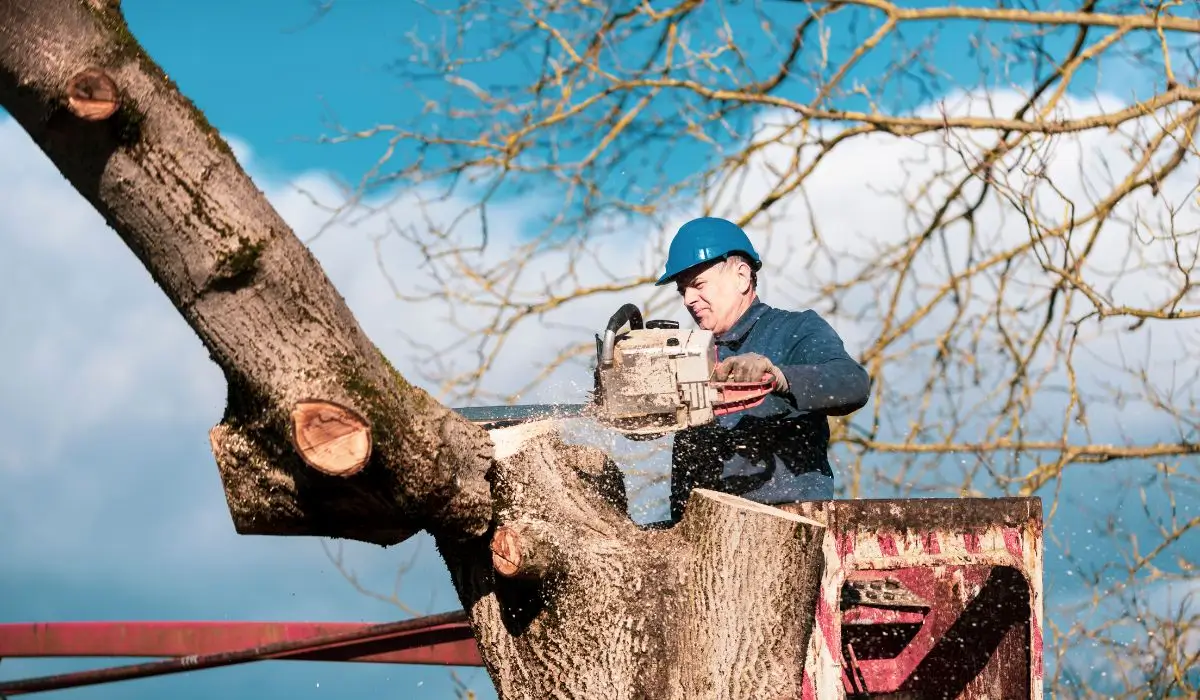
Overgrown tree branches act as silent destroyers, steadily wearing down your roof shingles, crushing exterior drainage systems, and creating severe electrical hazards around your property. Trees add undeniable beauty, shade, and property value to any landscape. However, unchecked limb growth extending too close to your home invites expensive property damage. Understanding how canopy encroachment threatens your roof, gutters, and utility connections allows you to take proactive maintenance steps before minor branch contact turns into a structural emergency. Hiring a professional tree trimming service is essential for maintaining the health and appearance of your yard while protecting your home from potential storm damage.
The Grinding Destruction of Tree Branches on Roof Shingles
Wind-blown branches rubbing constantly against asphalt, tile, or metal roof shingles strip away protective granule layers within a remarkably short timeframe. Once these mineral granules wear off, your roofing material becomes directly exposed to ultraviolet sunlight, rain, and thermal cracking.
As branches sweep back and forth during storms, they lift shingle tabs, loosen nailing strips, and create moisture entry points that lead to hidden attic leaks. Over time, recurring friction turns a minor canopy overlap into rotted roof decking, compromised underlayment, and expensive interior water damage. Pruning branches back by at least ten feet creates a safe buffer zone that preserves the structural integrity of your roof.
The Lethal Danger of Branches Intersecting Power Lines
Trees growing into or near overhead electrical service lines represent the most hazardous consequence of neglected property landscaping. When heavy winds or ice storms cause branches to whip against high-voltage wires, the friction can fray insulation or snap power lines completely.
Live electrical wires touching tree limbs turn the entire tree into a lethal conductor. Children playing nearby, pets wandering the yard, or homeowners attempting DIY storm cleanup face extreme electrocution risks. Furthermore, touching lines cause immediate electrical shorts, power outages, and dangerous electrical fires that threaten your entire neighborhood. Utility companies maintain strict clearance zones, but property owners must monitor private service drops connecting street poles directly to their home electrical weatherheads.
Inviting Pests and Wildlife Inside Your Home Through Branch Bridges
Overgrown branches touching your roof or siding function as elevated highways for unwanted pests, rodents, and destructive wildlife. Squirrels, raccoons, mice, and rats use low-hanging limbs to bypass ground defenses and access your roof easily.
Once wildlife reaches your roofline, they chew through soffits, tear open roof vents, and squeeze into attic spaces to nest. Carpenter ants and termites also use overhanging branch contact as a direct bridge to colonize wooden fascia boards and structural roof trusses. Trimming branches eliminates these natural wildlife pathways, sealing off easy entry points into your home’s vulnerable upper levels.
Storm Vulnerability and Catastrophic Wind Damage
Severe thunderstorms, heavy snow loads, and high winds test the structural resilience of every tree on your property. Dead, diseased, or overextended branches catch wind like a sail, increasing the torque placed on the trunk and root system.
When neglected limbs snap under high wind pressure, they turn into heavy projectiles. Falling branches routinely puncture roofs, shatter bedroom windows, crush vehicles parked in driveways, and tear down residential power meters. Proactive crown thinning and strategic weight reduction lower wind resistance, protecting your home from catastrophic storm impacts.
Conclusion
Overgrown tree branches present hidden dangers that threaten your roof, gutter systems, electrical connections, and overall structural safety. Constant branch friction destroys roofing shingles, while accumulated leaf debris wrecks exterior drainage and invites destructive pests. Ignoring canopy encroachment also elevates the risk of severe storm damage and dangerous power line contact. Scheduling regular tree pruning and maintaining safe clearance buffers safeguards your property investment, prevents costly emergency repairs, and keeps your home secure against the elements.
