
Get Energy-Efficient Home Repair Grants in 2025 as 2025 approaches, more homeowners are turning to energy-efficient solutions to reduce their carbon footprints and save on energy costs. But did you know that you can also receive financial assistance to help fund these eco-friendly upgrades? Thanks to energy-efficient home repair grants, homeowners can improve their living spaces without breaking the bank. This article will walk you through everything you need to know about these grants, from eligibility requirements to the types of repairs covered and how to apply.
Understanding Energy-Efficient Home Repair Grants
Energy-efficient home repair grants are financial aids that homeowners can apply for to help pay for improvements that make their homes more energy-efficient. These grants are specifically targeted toward repairs and upgrades that reduce energy consumption, lower utility bills, and minimize the environmental impact of a home.
In 2025, the focus on environmental sustainability continues to grow, and governments worldwide are taking steps to incentivize homeowners to adopt green energy solutions. The grants are part of these larger efforts, helping homeowners make energy-efficient repairs more affordable.
What Makes These Grants Unique?
Unlike loans, which require repayment, energy-efficient home repair grants do not need to be paid back. This makes them an incredibly attractive option for homeowners who want to make their homes more eco-friendly without worrying about future financial obligations.
Additionally, these grants are often provided by government agencies, which can help ensure transparency, fairness, and equal opportunity for all homeowners who meet the eligibility requirements.
Types of Energy-Efficient Home Repairs Covered by Grants
There are various types of home repairs and upgrades that energy-efficient home repair grants can cover. These improvements aim to make homes more energy-efficient, reduce energy consumption, and lower utility bills. Some of the most common repairs and upgrades include:
1. Insulation and Weatherization
One of the most common types of energy-efficient home improvements covered by energy-efficient home repair grants is insulation. Proper insulation can significantly reduce the amount of energy needed to heat or cool your home, making it more energy-efficient and comfortable. Weatherization, which includes sealing gaps around windows, doors, and vents, can also help prevent drafts and improve energy efficiency.
Grant programs often fund the cost of new insulation, weather stripping, and other related materials to ensure your home retains heat during the winter and stays cool in the summer.
2. Energy-Efficient Windows and Doors
Replacing old, inefficient windows and doors with modern, energy-efficient models is another repair commonly covered by grants. New windows and doors can help improve insulation, reduce heat loss, and increase natural light, making them a valuable investment for energy-conscious homeowners.
Upgrading to double-glazed windows or low-emissivity glass can significantly improve a home’s energy efficiency, which can lead to lower heating and cooling bills.
3. Heating and Cooling Systems
Upgrading or replacing an outdated heating, ventilation, and air conditioning (HVAC) system can make a significant difference in your home’s energy efficiency. Energy-efficient home repair grants may cover part of the cost of installing a new HVAC system that uses less energy to heat and cool your home.
In addition, some grants may cover the installation of alternative energy systems such as solar panels or geothermal heat pumps, which can provide energy-efficient heating and cooling solutions.
4. Energy-Efficient Appliances
Upgrading old, energy-hogging appliances is another way to make your home more energy-efficient. Energy-efficient home repair grants may cover the cost of purchasing new, energy-efficient appliances, including refrigerators, dishwashers, washing machines, and water heaters. These appliances consume less energy, helping to reduce utility bills while also being more environmentally friendly.
5. Solar Panel Installation
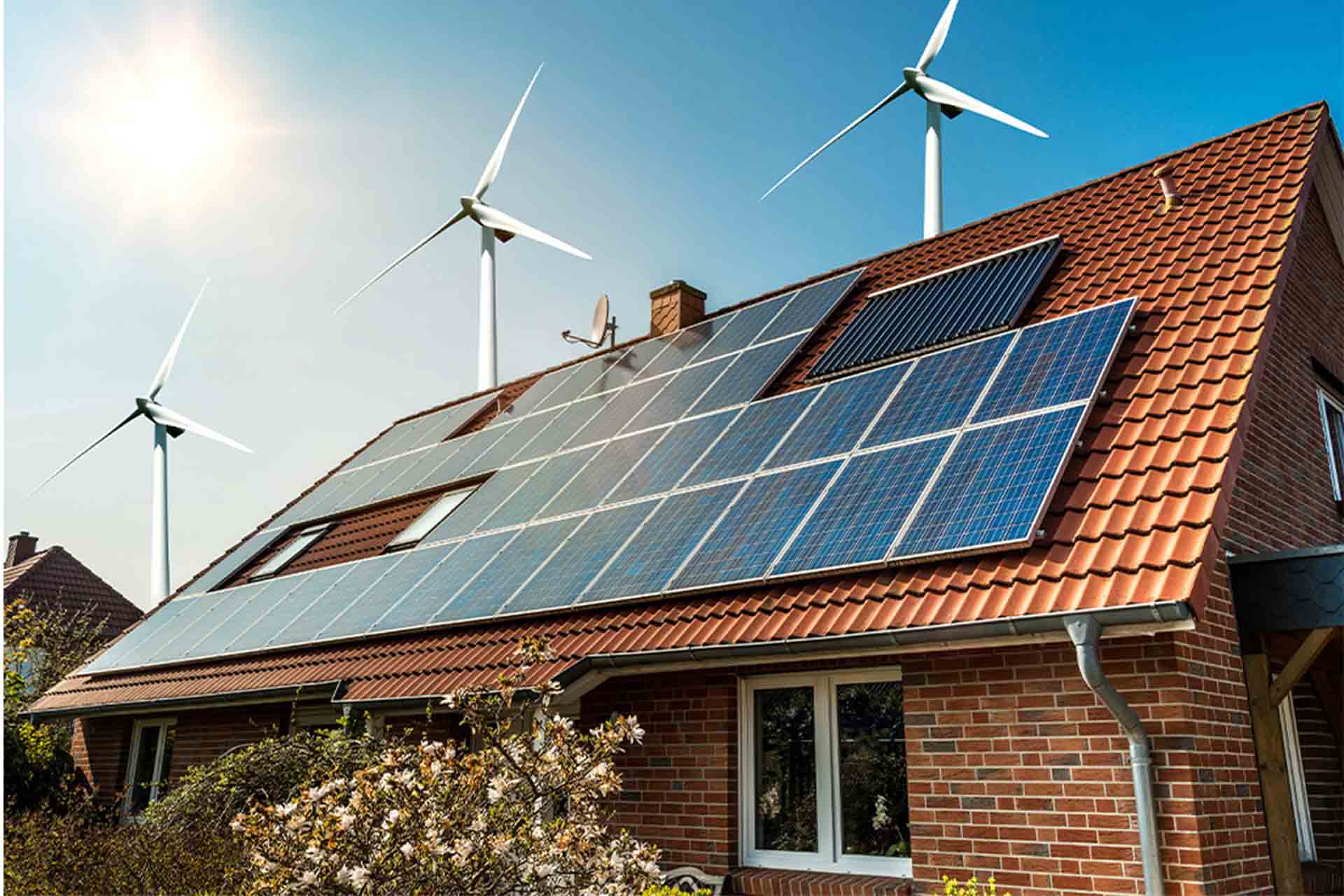
Solar panels are an excellent way to reduce your home’s reliance on fossil fuels. Grants for solar panel installations are available in many areas, and they often cover a portion of the installation costs. By taking advantage of these grants, homeowners can reduce their electricity bills and take a major step toward reducing their carbon footprint.
Some grants may even offer financial assistance for the installation of solar water heaters, which can reduce the amount of energy needed for heating water.
6. Water Conservation Systems
In addition to energy-saving repairs, some energy-efficient home repair grants may also cover water conservation upgrades. Installing low-flow toilets, water-efficient faucets, and drought-tolerant landscaping can reduce the amount of water your home uses, which in turn lowers water bills and conserves a vital natural resource.
7. Roofing and Attic Ventilation
Replacing an old, inefficient roof with a cool or reflective roofing system can reduce the amount of heat absorbed by your home, making it easier to keep cool during the summer months. Additionally, installing proper attic ventilation can help regulate temperature and prevent heat buildup, improving overall energy efficiency.
Energy-efficient home repair grants may cover the costs associated with these roofing and ventilation upgrades, which ultimately help save energy and improve comfort in the home.
Who Can Qualify for Energy-Efficient Home Repair Grants?
Eligibility for energy-efficient home repair grants can vary depending on the grant program, the location, and the specific type of repair being requested. However, there are some common criteria across many programs. Here are a few of the most common eligibility requirements:
1. Homeownership
In most cases, only homeowners are eligible for energy-efficient home repair grants. Renters and tenants typically cannot apply for these grants unless they have the property owner’s permission and are working in partnership with them.
2. Income Level
Many grant programs are designed to assist low- to moderate-income homeowners. These programs prioritize individuals and families who may struggle with the upfront costs of energy-efficient repairs and improvements. Homeowners who meet certain income qualifications may be given preference in receiving grants.
3. Location
Energy-efficient home repair grants are often provided by state, local, or federal government agencies. The availability and specific requirements of these grants can vary by region. Therefore, homeowners need to check whether they qualify based on their geographical location.
4. Type of Home
The type of home you own may also affect your eligibility for a grant. Certain programs may be limited to specific types of homes, such as single-family residences, while others may extend to multifamily units or mobile homes.
5. Condition of Home
The current condition of your home can also play a role in eligibility. Some programs may only offer grants to homes that meet specific energy-efficiency benchmarks or require repairs that align with environmental goals.
6. Energy Savings Potential
For some grant programs, homes that have the highest potential for energy savings may be prioritized. If your home has significant issues with insulation, inefficient appliances, or outdated heating systems, you may have a better chance of receiving funding.
How to Apply for Energy-Efficient Home Repair Grants
Applying for energy-efficient home repair grants can seem like a complex process, but with the right approach, it can be relatively straightforward. Here are the general steps to help guide you through the process:
1. Research Available Grants
Start by researching the available grant programs in your area. Federal, state, and local government websites are excellent resources for finding information about available grants and their eligibility requirements. Additionally, private organizations, utility companies, and nonprofits may also offer energy-efficient home repair grants.
2. Check Eligibility
Once you’ve found a grant program, carefully review the eligibility requirements. Make sure that you meet the criteria before proceeding with your application.
3. Prepare Documentation
Most grant applications require documentation such as proof of income, property ownership, and home assessment reports. Ensure that you gather all necessary documents before starting the application process. Some programs may also require quotes or estimates from contractors for the proposed repairs.
4. Complete the Application
Follow the application instructions carefully, providing all requested information. Some grant applications can be completed online, while others may require you to submit physical forms. Pay close attention to deadlines to ensure your application is submitted on time.
5. Follow Up
After submitting your application, it’s a good idea to follow up with the relevant agency or organization to confirm that they’ve received it and to check on the status. If your application is approved, you’ll typically receive instructions on how to move forward with the repair work.
In 2025, making your home more energy-efficient is not only beneficial for the environment but also offers a great opportunity to save on energy costs. With the help of energy-efficient home repair grants, you can make essential upgrades without worrying about hefty financial burdens. Whether it’s replacing outdated appliances, installing solar panels, or improving your home’s insulation, these grants can make the process more affordable and accessible. By understanding the different types of repairs covered, the eligibility criteria, and how to apply, you can take full advantage of the resources available and make your home more sustainable for the future.
