
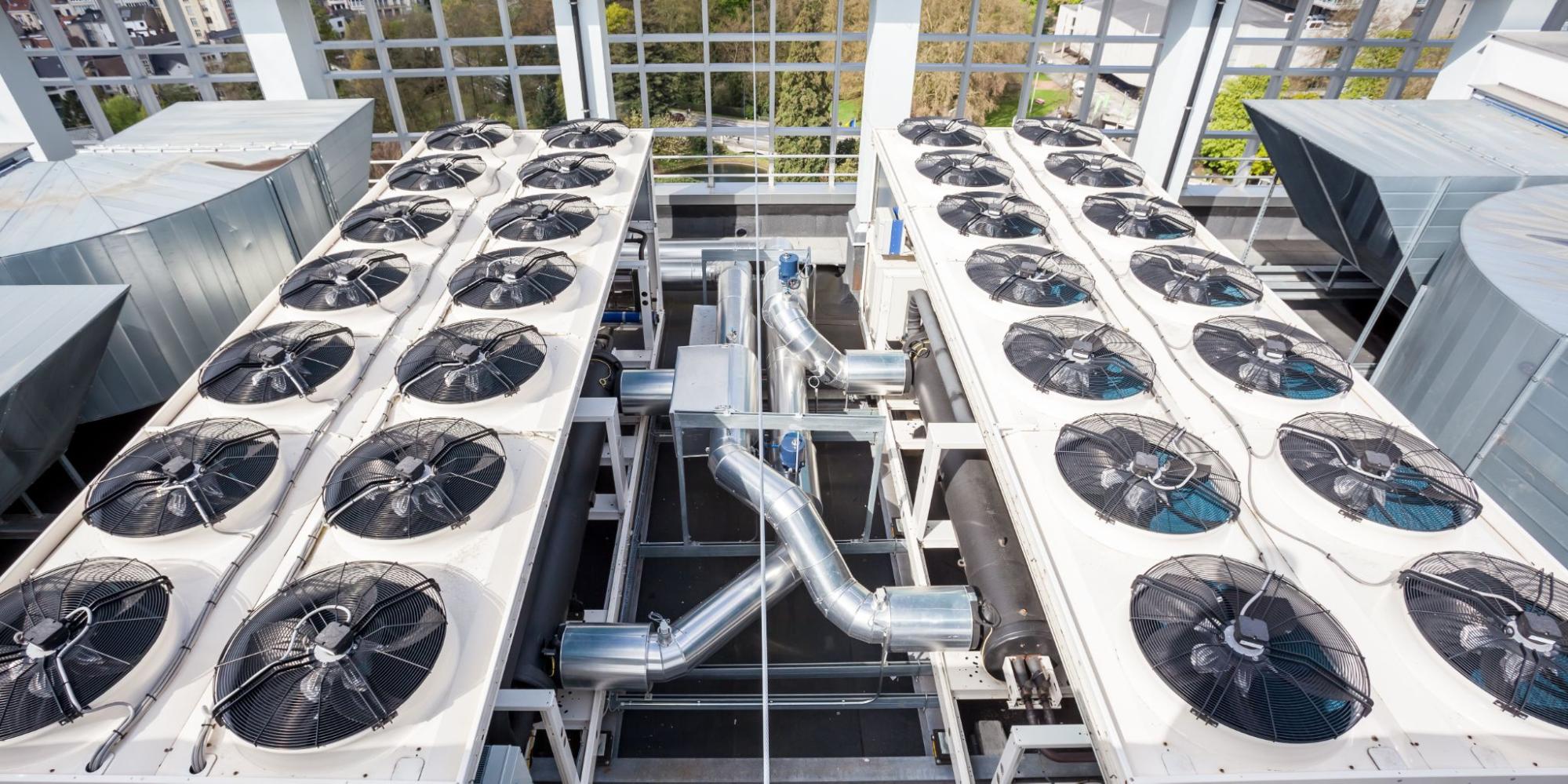
Improving the energy efficiency of a rooftop HVAC unit often comes down to a few straightforward things: keeping the equipment clean, checking how it is controlled and making sure it is running only when the building actually needs it.
That sounds simple, though older commercial systems can drift away from their original settings over time. Filters clog, sensors lose accuracy and operating schedules stay in place even after tenants or working hours change. For facility managers and building owners around Philadelphia, regular checks can help limit unnecessary energy use through both hot summers and cold winters.
Start with Filters, Coils, and Airflow
Restricted airflow makes a rooftop system work harder than it should. Dirty filters are one common cause, and coils covered with dust, leaves or other debris can also affect heat transfer.
Routine maintenance for commercial rooftop hvac units should include more than a quick filter change. Fan components, drains and the condition of the outdoor coil deserve attention as well.
How often those checks are needed depends on the property. A warehouse near loading bays may collect dirt much faster than an office building with a cleaner indoor environment.
Maintenance staff can keep an eye out for:
- Filters that are visibly dirty or poorly fitted
- Debris around condenser coils
- Worn belts or loose fan components
- Blocked condensate drains
- New vibration, rattling or other unusual noise
Check the Operating Schedule
HVAC schedules are easy to overlook. A building may now open later, close earlier or have fewer occupied areas, yet the rooftop units may still be following settings created years ago.
Compare thermostat or building automation schedules with current working hours. Equipment that starts too early or keeps running long after occupants leave can waste energy without improving comfort.
Unoccupied temperature setbacks may also help reduce runtime. The settings still need to allow enough recovery time before people return to the building, especially during very hot or cold weather.
Make Sure the Economizer Still Works Properly
Many rooftop commercial air conditioning units are fitted with economizers. Under suitable outdoor conditions, these controls can bring in outside air and reduce the amount of mechanical cooling required.
The system only provides that benefit when its dampers, sensors and controls are working correctly.
Outdoor-air dampers can become stuck, and sensors may gradually fall out of calibration. A periodic functional check can confirm that the economizer opens and closes as intended rather than bringing in too much outside air or staying inactive when conditions are suitable.
Look Beyond the Rooftop Unit Itself
Sometimes the unit is running correctly, but conditioned air is being lost before it reaches the occupied space.
Accessible ductwork, curb connections and rooftop transitions should be checked for obvious leakage or deterioration. Airflow measurements can also help identify areas receiving too much or too little supply air.
Poor distribution often leads to repeated thermostat adjustments because some rooms feel uncomfortable. That can extend equipment runtime and create inconsistent conditions across the building.
Review Controls When Equipment Is Replaced
Replacement projects are a useful opportunity to reconsider how the system operates, rather than simply matching the old equipment as closely as possible.
During rooftop ac unit installation, building owners can review options such as variable-speed fans, staged compressors and updated control sequences. Commercial HVAC contractors such as Climico may also assess how equipment capacity, ventilation needs, and controls fit the way a property is currently used.
Buildings with changing occupancy or long working hours may benefit from equipment that can adjust its output instead of running at full capacity every time cooling is required.
Track Changes in Performance
A monthly utility bill may show that energy consumption has increased, though it rarely explains the reason.
Equipment-level information gives maintenance teams more context. Useful readings can include:
| Item to Monitor | What It May Show |
| Runtime | Scheduling problems or unusually long operating periods |
| Supply and return temperatures | Heating or cooling performance changes |
| Fan operation | Airflow or control problems |
| Zone temperatures | Areas that are consistently overcooled or overheated |
The real value comes from comparing readings over time. Gradual changes are often easier to spot when there is a baseline from earlier inspections.
Recheck Older Systems
Commissioning is not limited to newly installed equipment. Existing rooftop hvac systems can also be reviewed to see if their controls and operating settings still match the building.
That review may include thermostat calibration, economizer operation, ventilation settings, airflow and control sequences.
Changes inside the property are worth considering too. Renovations, new tenants or different opening hours can alter heating and cooling demand considerably. Settings that worked several years ago may no longer suit the building in its current form.
Keep Efficiency Tied to Actual Building Use
Rooftop HVAC efficiency depends on day-to-day operation as much as equipment specifications. Clean components, sensible scheduling and properly functioning controls all influence how long the system runs and how much energy it uses.
For commercial properties, periodic inspection, and performance checks provide a clearer picture of where energy is being used. When replacement eventually becomes necessary, reviewing current loads and control requirements before selecting equipment can help the new system operate more efficiently from the start.


