
Why Offices Are Switching to Smart Lighting the way we work is constantly evolving, driven by technological advancements that improve productivity, reduce costs, and enhance overall well-being. One of the most significant innovations in modern office spaces is the implementation of smart lighting for offices. As businesses seek to create more sustainable, efficient, and comfortable environments for their employees, smart lighting for offices has emerged as a game-changer. This intelligent lighting technology not only enhances the aesthetics of a workspace but also provides numerous practical benefits that are transforming how offices operate. In this article, we explore the reasons why so many companies are making the switch to smart lighting for offices and how it is shaping the future of workplace design.
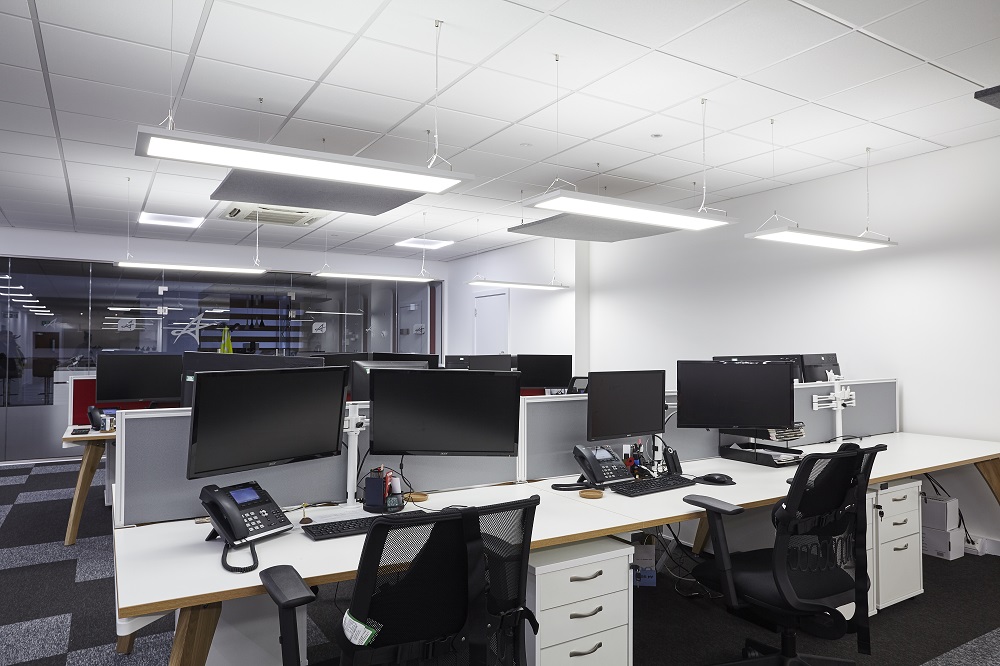
What is Smart Lighting for Offices?
Smart lighting for offices involves the integration of advanced lighting systems that can be controlled remotely, automated, and customized to suit the needs of the space and its occupants. These systems use sensors, apps, and cloud-based platforms to adjust light intensity, color temperature, and even the on/off status based on factors like occupancy, time of day, and personal preferences. With the ability to synchronize with other smart devices, smart lighting for offices offers a highly flexible and intuitive lighting experience tailored to optimize productivity and well-being.
The key components of smart lighting for offices typically include:
- LED lighting: Energy-efficient, long-lasting, and versatile, LED lights form the backbone of most smart lighting for offices systems.
- Sensors: Motion and occupancy sensors automatically turn lights on or off based on presence or movement in a room.
- Mobile apps and controls: Employees and facility managers can adjust the lighting remotely via apps, offering convenience.
- Integration with other smart devices: Smart lighting for offices can work seamlessly with heating, cooling, and security systems, creating a unified and efficient workspace.
Key Benefits of Smart Lighting for Offices
1. Energy Efficiency and Cost Savings
One of the main reasons businesses are adopting smart lighting for offices is the potential for significant energy savings. Traditional office lighting systems often leave lights on in empty rooms or hallways, leading to unnecessary energy consumption. With smart lighting for offices, motion and occupancy sensors detect when a space is unoccupied and automatically turn off the lights. This reduces energy waste.
Additionally, energy-efficient LED lights used in smart lighting for offices lower energy consumption. LEDs use less power than traditional bulbs and last much longer, meaning fewer replacements and less maintenance. By integrating smart lighting for offices, businesses can lower energy bills and contribute to sustainability efforts, aligning with corporate social responsibility goals.
2. Enhanced Employee Productivity and Comfort
Lighting has a profound impact on employee productivity and well-being. Poor lighting can cause eye strain, headaches, and fatigue, which decreases focus and performance. On the other hand, well-designed lighting systems that adapt to the needs of the workspace can create a more comfortable and productive environment.
Smart lighting for offices allows employees to adjust their lighting preferences based on the task at hand or the time of day. For instance, bright, cool light is ideal for tasks requiring concentration, while softer, warmer lighting is better for relaxation or informal meetings. Employees can create an environment that suits their individual needs, improving comfort and productivity.
Furthermore, smart lighting for offices can simulate natural light patterns, which helps regulate circadian rhythms and improve sleep patterns. By incorporating smart lighting for offices that mimics daylight, companies can create a healthier workspace that enhances employee well-being.
3. Flexibility and Control
Another reason businesses are switching to smart lighting for offices is the level of control it offers. Traditional office lighting systems are often limited, requiring manual adjustments or physical switches to change light levels. Smart lighting for offices, however, can be controlled remotely via smartphone apps. This flexibility allows employees to adjust the lighting from anywhere in the office. Additionally, lighting schedules can be programmed to ensure lights are always on when needed and off when they are not.
For facility managers, smart lighting for offices offers a centralized control system for managing multiple rooms or floors. Instead of adjusting settings for each room individually, managers can control all lights from a single interface. This ease of management saves time and resources, particularly in large office buildings.
4. Improved Security
Security is a top priority for any workplace, and smart lighting for offices plays an important role in maintaining a safe environment. One major security benefit of smart lighting for offices is its ability to provide lighting on demand. Motion sensors detect movement in areas such as hallways, stairwells, and parking lots, automatically turning on the lights. This ensures that areas are well-lit and reduces the risk of accidents or security breaches.
Moreover, smart lighting for offices can simulate occupancy when the office is unoccupied. Lights can be set to turn on and off at random intervals, creating the illusion that the office is still in use. This helps deter potential intruders and minimizes the risk of break-ins.
5. Sustainability and Corporate Responsibility
As businesses increasingly focus on sustainability and reducing their environmental impact, smart lighting for offices provides an effective solution. By optimizing energy consumption and reducing waste, smart lighting for offices can help companies lower their carbon footprint. Many office buildings are also subject to environmental certifications like LEED (Leadership in Energy and Environmental Design), which recognize energy-efficient practices. Adopting smart lighting for offices can help businesses work towards these certifications, enhancing their image as environmentally responsible organizations.
6. Cost-Effectiveness in the Long Run
Although the initial investment in smart lighting for offices may seem high, the long-term savings make it a cost-effective solution. The combination of energy-efficient LEDs, automated controls, and reduced maintenance costs ensures that businesses quickly recover their investment. Over time, savings on energy bills and longer lifespans for LED bulbs result in a high return on investment (ROI).
Additionally, smart lighting for offices reduces the need for manual intervention, freeing employees and managers to focus on more important tasks. The automation of lighting systems also reduces the risk of human error, such as leaving lights on in unoccupied spaces. These factors contribute to the overall cost-effectiveness of smart lighting for offices.
The Future of Smart Lighting for Offices
As technology continues to evolve, the future of smart lighting for offices looks incredibly promising. Advances in artificial intelligence (AI) and the Internet of Things (IoT) will enhance the capabilities of smart lighting systems. In the future, smart lighting for offices will become even more intuitive, with systems that learn from employee behavior and adjust automatically based on preferences and patterns.
An exciting development is the integration of smart lighting for offices with other smart office technologies, such as HVAC (heating, ventilation, and air conditioning) systems. This integration will allow for seamless control of the entire office environment, from lighting to temperature, creating a more comfortable and energy-efficient workspace.
Moreover, smart lighting for offices will become more customizable. Businesses may choose to create dynamic lighting environments that change throughout the day or adjust based on the type of work being performed.
The shift towards smart lighting for offices is not just a passing trend; it’s a strategic move with numerous benefits for businesses and employees. From energy savings and enhanced productivity to improved security and sustainability, smart lighting for offices is revolutionizing the modern workplace. As more companies recognize its advantages, it’s clear that smart lighting for offices will continue to shape the future of office design and management.
With its ability to improve comfort, increase efficiency, and reduce costs, smart lighting for offices is an investment in the future of work. As technology advances, the possibilities for creating smarter, more sustainable, and productive office environments will only expand. For businesses looking to stay ahead of the curve, adopting smart lighting for offices is a step in the right direction.

